
Buying a Used Bike: What to look for
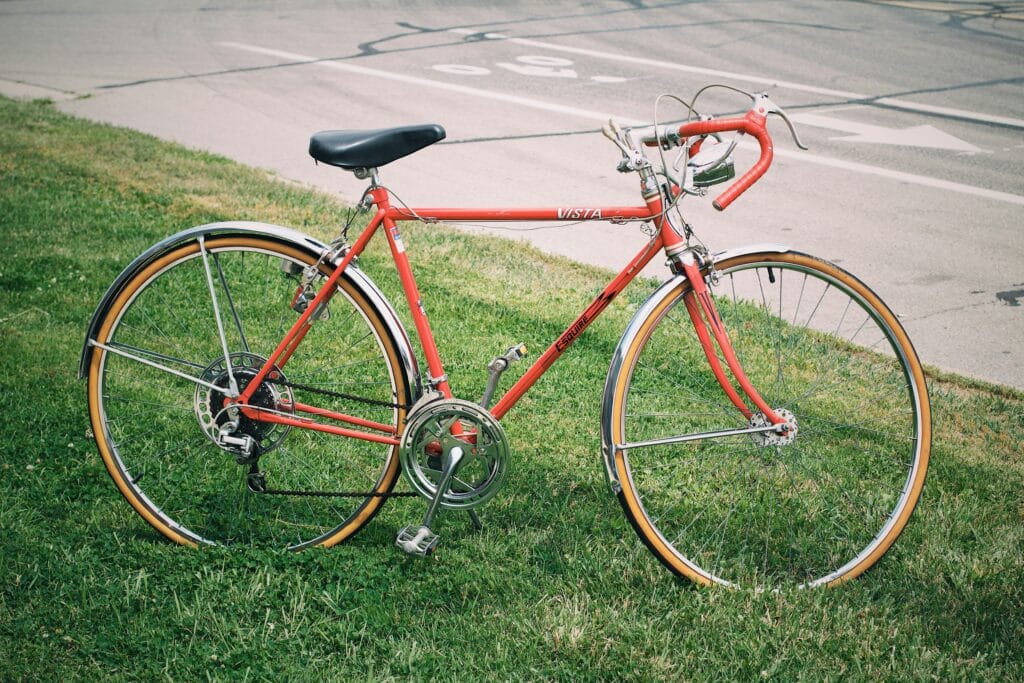
Buying a used bike can be one of the best ways to get into cycling without spending a lot of money. Many great bikes sit unused in garages or basements and can often by purchased for a fraction of their original price. However, not every used bike is a good deal. Some bikes only need basic cleaning and adjustment, while others may require expensive repairs that might end up costing you more than its worth.
*Knowing what to check before buying can help you avoid costly surprises and find a bike that will last you for years to you. In this guide, we’ll walk through the most important things to look for when inspecting a used bike*
1. Make Sure the Bike Fits You
Before worrying about parts or condition, the most important factor is bike fit. You need a bike that feels comfortable and doesn’t cause any strain to your body when riding. If the bike doesn’t fit right, your ride will be very short lived. You’d be surprised as to how many people don’t even know what a good bike fit is. That’s why make sure you take note of this very important step.
A bike that’s the wrong size will never feel comfortable, even if it’s in perfect condition.
Things to check:
*If the bike is significantly too large or too small, it’s usually best to keep looking*
2. Inspect the Frame for Damage
The frame is the most important and expensive part of the bike. While most used frames are perfectly fine, it’s important to check for signs of damage.
Look closely for:
- Cracks in the metal or carbon
- Dents in the frame tubes
- Large scratches that may hide structural damage
- Rust, especially around welds and joints
Small cosmetic scratches are normal on used bikes, but cracks or serious dents are usually a deal breaker.
3. Check the Wheels
Wheels can be expensive to replace, so they’re worth inspecting carefully.
Spin each wheel and look for:
- Side-to-side wobbling (out of true)
- Broken or missing spokes
- Grinding or rough feeling when the wheel spins
Also check the rims for heavy wear if the bike uses rim brakes.
Minor wheel truing is common and inexpensive, but severely damaged wheels may need replacement.
4. Look at the Drivetrain
The drivetrain includes the chain, cassette, and chainrings, and these parts wear out over time.
Signs of wear include:
- Rust on the chain
- Teeth on gears that look sharp or hooked
- Very dirty or neglected components
Replacing a chain is inexpensive, but replacing the entire drivetrain can add up quickly. If you’re unsure, shifting through the gears during a short test ride can reveal problems
5. Test the Brakes
Brakes should feel firm and responsive.
Check for:
- Brake levers pulling all the way to the handlebar
- Worn brake pads
- Loose or sticky cables
- Weak braking power
Brake adjustments are usually simple, but worn components may need replacement.
Hydraulic brakes are a whole other gamay me. Some brakes may require bleeding, pad replacement , orin sometimes even the pistons may need to be replaced or resealed. Alot of higher end mountaon bike will require this.
6. Check the Bearings
Bikes have several sets of bearings that allow parts to rotate smoothly:
- Wheel hubs
- Bottom bracket (pedals/cranks)
- Headset (steering)
Hold the brakes and gently rock the bike forward and back. If you feel knocking in the handlebars, the headset may be loose.
Also try turning the handlebars side to side and spinning the pedals. Everything should feel smooth without grinding. Wheel hubs that feel rough when spinning may need to be regreased or may also need the bearing replaced as well.
7. Look for Signs of Poor Maintenance
A bike that has been cared for is usually easy to spot.
Good signs include:
- A relatively clean drivetrain
- Tires with decent tread
- Smooth shifting and braking
Heavy rust, excessive dirt, or neglected components may indicate the bike hasn’t been maintained regularly.
8. Ask Questions
Don’t be afraid to ask the seller a few simple questions.
For example:
- How long have you owned the bike?
- When was it last serviced?
- Has anything been replaced recently?
- Why are you selling it?
These answers can give you useful insight into how the bike was used and maintained.
9. Take a Short Test Ride
If possible, always take the bike for a quick ride.
During the ride, pay attention to:
- Shifting performance
- Brake power
- Strange noises
- Overall comfort
Even a short ride around the block can reveal issues that aren’t obvious during a visual inspection. Don’t forget to do a fit check as well. You want
10. Expect to Do Some Maintenance
Even a good used bike will usually need a little work.
Common things new owners often do include:
- Cleaning the drivetrain
- Lubricating the chain
- Adjusting brakes or gears
- Replacing worn tires or brake pads
Fortunately, most of these tasks are simple and inexpensive, especially if you’re comfortable doing basic bike maintenance.
Final Thoughts
Buying a used bike can be a great way to save money and still get a quality bicycle. By taking a few minutes to inspect the frame, wheels, drivetrain, and brakes, you can avoid most common problems.
Many used bikes only need minor adjustments to become reliable and enjoyable to ride. With a little patience and a careful inspection, you can often find a fantastic bike at a great price.