
Winter Cycling: How to Keep Riding When the Temperature Drops
As the air gets crisp and the leaves start to fall, many riders in Canada start packing away their bikes. But for some of us, biking isn’t just a summer hobby — it’s how we move, explore, and stay active year-round. If you’re curious about winter cycling but aren’t sure where to start, this guide will help you stay safe, warm, and confident through the cold season.
1. Prepare Your Bike for Winter
Winter conditions can be tough on your bike. Start by checking:
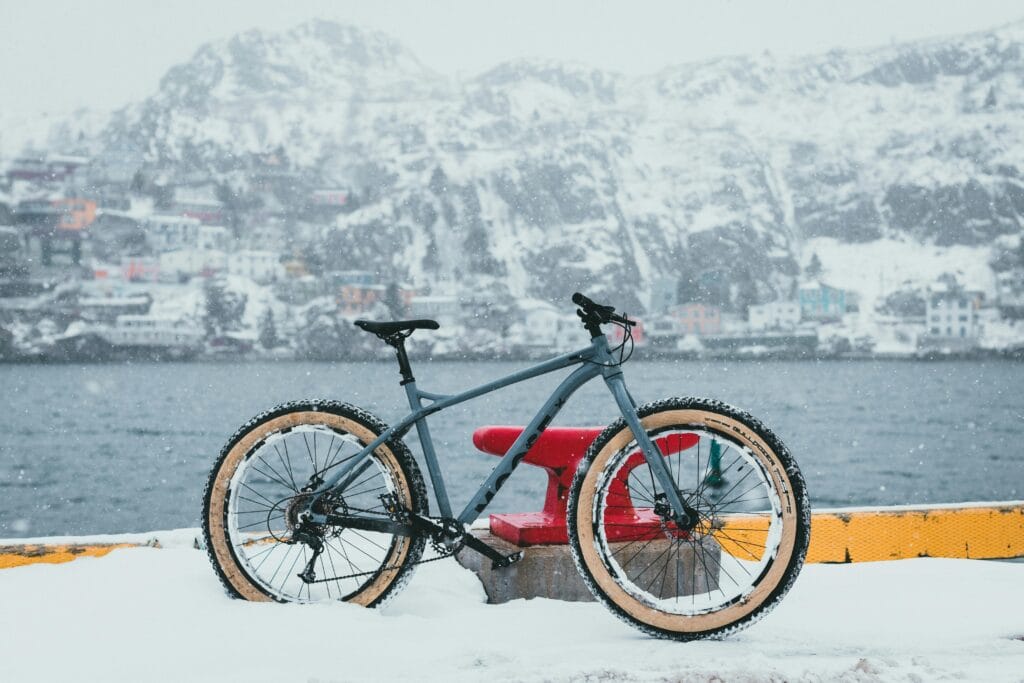
- Choose wider tires for more grip. If your route gets icy, consider studded tires for traction.
- Lubrication: Use a wet lube to protect your chain from salt and moisture.
- Brakes: Make sure your brake pads have enough life — stopping distances increase on wet or snowy roads.
- Fenders: They’re worth it! Fenders protect your clothes and components from slush and grime.
💡 Tip: If you have an extra bike, dedicate one as your “winter commuter.” That way your summer ride stays clean and rust-free.
2. Dress for Comfort, Not Just Warmth
Layering is key. You’ll warm up fast once you start pedaling.
- Base layer: Moisture-wicking fabric to keep sweat off your skin.
- Middle layer: Insulating fleece or wool.
- Outer layer: Windproof and water-resistant shell.
- Hands & Feet: Thermal gloves and waterproof boots or shoe covers make all the difference.
- Head & Face: Use a thin beanie under your helmet, and a buff or balaclava for your face on very cold days.
🚴♀️ Pro Tip: Overheating causes sweat, which can make you colder later. Start your ride slightly chilly — you’ll warm up fast.
3. Light It Up
In Canada, daylight fades quickly in fall and winter.
- Use a bright front light (at least 300 lumens for city riding).
- Add a rear red light that stays on solid or flashes.
- Reflective tape or spoke reflectors boost visibility from all angles.
Remember: being visible is as important as being warm.
4. Ride Smarter in Snow and Ice
- Slow down on corners and brake early.
- Keep your weight centered and your steering smooth.
- If the roads are slippery, lower your tire pressure slightly for better traction.
- Be mindful of ruts and packed snow that can pull your front wheel.
And don’t stress if you need to walk your bike through a tricky patch — every winter rider does it sometimes.
5. Maintain Your Bike Regularly
Salt and grime can quickly wear down your drivetrain.
- Wipe down your bike after each ride.
- Re-lube your chain often.
- Rinse salt off with warm water if possible.
Consider doing a mid-winter tune-up to keep everything running smoothly.
Final Thoughts
Winter cycling can feel intimidating at first, but with the right setup, it becomes surprisingly enjoyable peaceful even. You’ll save on gas, stay fit, and experience your city in a whole new way.
At Endless Pedals, we believe cycling doesn’t stop when the seasons change — it just takes a little more preparation. So grab your gear, check your lights, and keep those wheels turning all year long.
📸 Coming soon: We’ll be posting a photo guide to winter bike gear and accessories, plus a video walkthrough on YouTube!
Stay tuned — and if you’d like to share your own winter riding tips, leave a comment below!